Fusion reactors in space: new prospects for energy supply in orbit
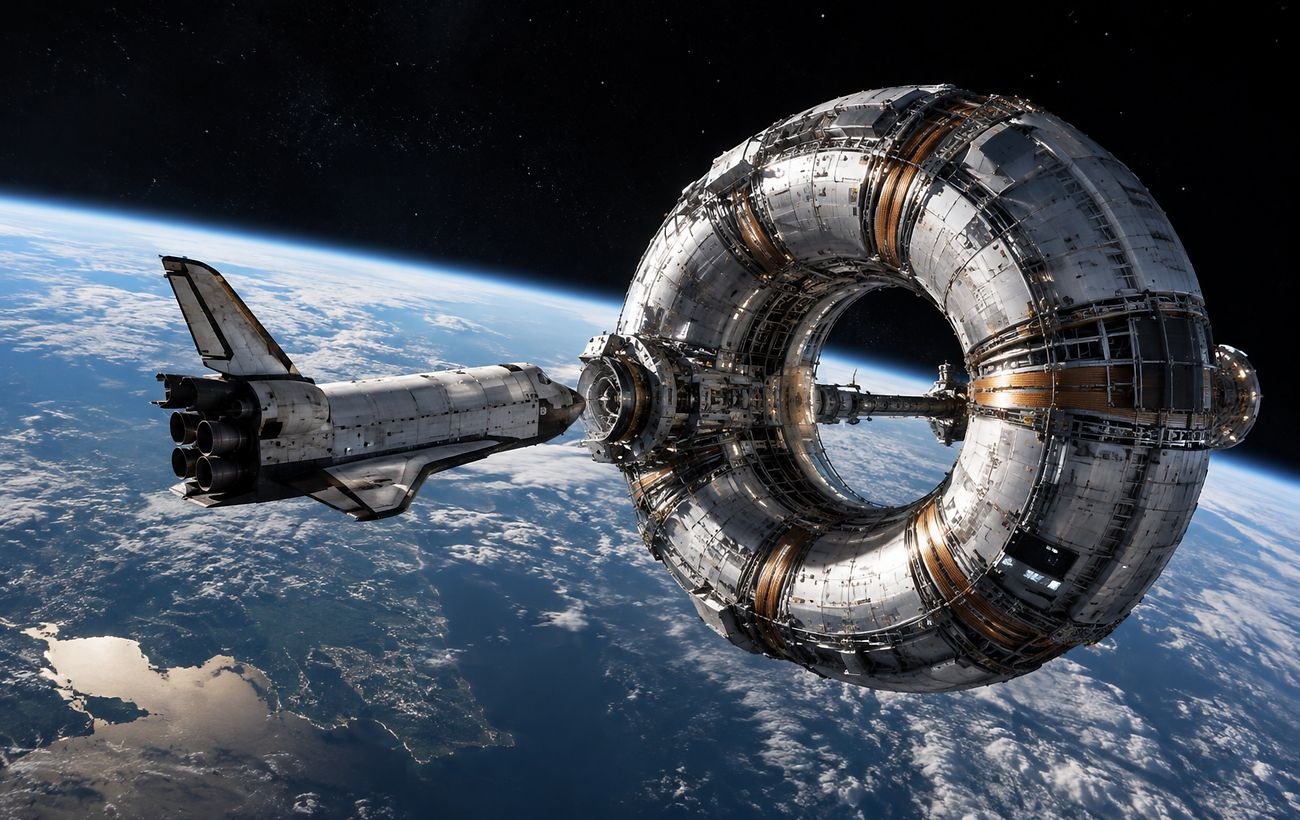
Scientists propose placing fusion reactors in orbit to power future space missions and extraterrestrial settlements.
 💡Tech
Photo: RBC-Ukraine
Key points
- Tokamaks on geostationary orbit
- Benefits of microgravity for reactor design
- Alternative to fission reactors for the Moon
- 1-gigawatt power capacity
Technological breakthroughs beyond Earth
The scientific community is exploring the concept of moving fusion reactors from Earth's surface to orbit. A study published in ResearchGate suggests that utilizing tokamaks in space could provide the necessary power for large-scale space projects and future colonies.
Physicist Yang Bae from the Spacefaring Research Institute points out that the space environment offers unique advantages for reactor operations. Microgravity significantly reduces mechanical stress on the structure, while the absence of atmospheric pressure allows for lighter vacuum chambers. Furthermore, the vacuum of space provides an efficient way to dissipate excess heat through specialized radiating panels.
Energy independence for future settlements
According to the proposed plan, a 1-gigawatt reactor could supply electricity to approximately one million homes. This setup could also support industrial facilities, orbital data centers, and deep-space bases. Unlike solar panels, which lose efficiency as missions move further from the Sun, fusion offers a stable and consistent power source.
While these projects are currently theoretical, they are viewed as a safer alternative to the fission reactors currently planned for lunar missions, as fusion avoids the risks associated with radioactive materials. In addition to magnetic plasma confinement, researchers are also investigating the use of high-power lasers to initiate fusion reactions in open space.
Source RBC-Ukraine — rbc.ua/ukr/news/termoyaderni-reaktori-hochut-vidpraviti-kosmos-1795… ↗
Read next
 🛡️Security
Russian army losses in 2026 reach record high for the entire war
By late November 2026, the number of Russian military casualties surpassed the total for 2024, setting a new grim record for the invading forces.
 👥Society
Dasha Astafieva searches for her pet — a rescued jackdaw named Patrick
Ukrainian artist Dasha Astafieva has appealed to the public for help in finding her pet jackdaw, which went missing several days ago.
 🇺🇦Ukraine
Tragic Road Accident in Poltava Region: Two Killed, Including an Infant
A fatal collision between a passenger car and a truck near the village of Buzova Paskivka has resulted in multiple casualties.
 🇺🇦Ukraine
Kim Jong Un appears in public: did new photos dispel rumors about the leader's health?
Following a wave of reports regarding the critical health of the North Korean leader, state media released a series of official images intended to demonstrate his fitness…
 🎭Culture & Sport
Documentary about Ukrainian National Guardsmen wins Emmy Award
The film '24 Hours in the Kill Zone' has received a prestigious international award in the News category. The documentary highlights the heroism of National Guard soldier…
 🇺🇦Ukraine
Russian aircraft approach South Korean ADIZ: details of the incident
On Tuesday, November 24, Russian aircraft entered South Korea's air defense identification zone, causing a brief alert due to misidentification of the targets.