Survival Lessons for the World: Oleksandr Syrskyi Outlines Three Key Conclusions from the War in Ukraine
The Commander-in-Chief of the AFU discussed the need for global security reform and continuous technological military updates at the Halifax Security Forum.
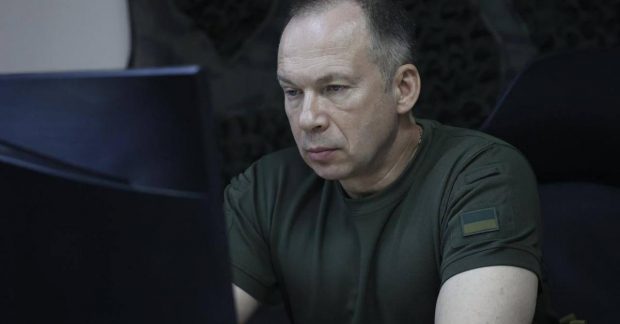 🇺🇦Ukraine
Photo: UNIAN
Key points
- Defense preparation must be constant, even during times of peace.
- The international security system requires radical reform due to its current ineffectiveness.
- Technological adaptation and the speed of learning are decisive factors on the battlefield.
The Commander-in-Chief of the Armed Forces of Ukraine, Oleksandr Syrskyi, presented a profound analysis of the challenges facing Ukraine and the civilized world during his speech at the Halifax International Security Forum. He emphasized that Russia's full-scale aggression has fundamentally altered the concept of effective defense. According to the General, the experience of Ukrainian resistance should serve as a foundation for rethinking the global security architecture, which proved incapable of preventing a major war in the heart of Europe.
Preparation and Collective Resilience
Syrskyi identified the necessity of preparing for defense during peacetime as the first critical lesson. He stressed that political situations can change instantly, turning stability into chaos. The adage "If you want peace, prepare for war" remains a fundamental principle of deterrence. A state's readiness for defense is a key factor that can stop an aggressor at the planning stage. The second aspect concerns the crisis of international institutions. Existing collective security mechanisms have failed, necessitating the creation of new interaction formats where partners can act promptly and cohesively, ensuring no country is left alone against an enemy.
Technological Evolution and the Human Factor
The third lesson is the continuous development of technology. On the battlefield in Ukraine today, weapons from different generations are used simultaneously — from Soviet classics to innovative drones and EW systems. The advantage goes to the side that implements innovations faster and adapts troop training to new realities. Syrskyi noted that while automation is developing rapidly, robots are not yet capable of completely replacing a soldier in the trench. The success of operations still depends on the professionalism and resilience of people.
In conclusion, the Commander-in-Chief noted that the Defense Forces have managed to break the offensive potential of the occupiers; however, the future prospects for ending the war directly depend on the level of support from international allies. Only a combination of internal resilience and external assistance can guarantee a return to a stable peace.
Source UNIAN — unian.ua/war/viyna-v-ukrajini-sirskiy-rozpoviv-yaki-uroki-mayut-zas… ↗
Read next
 🛡️Security
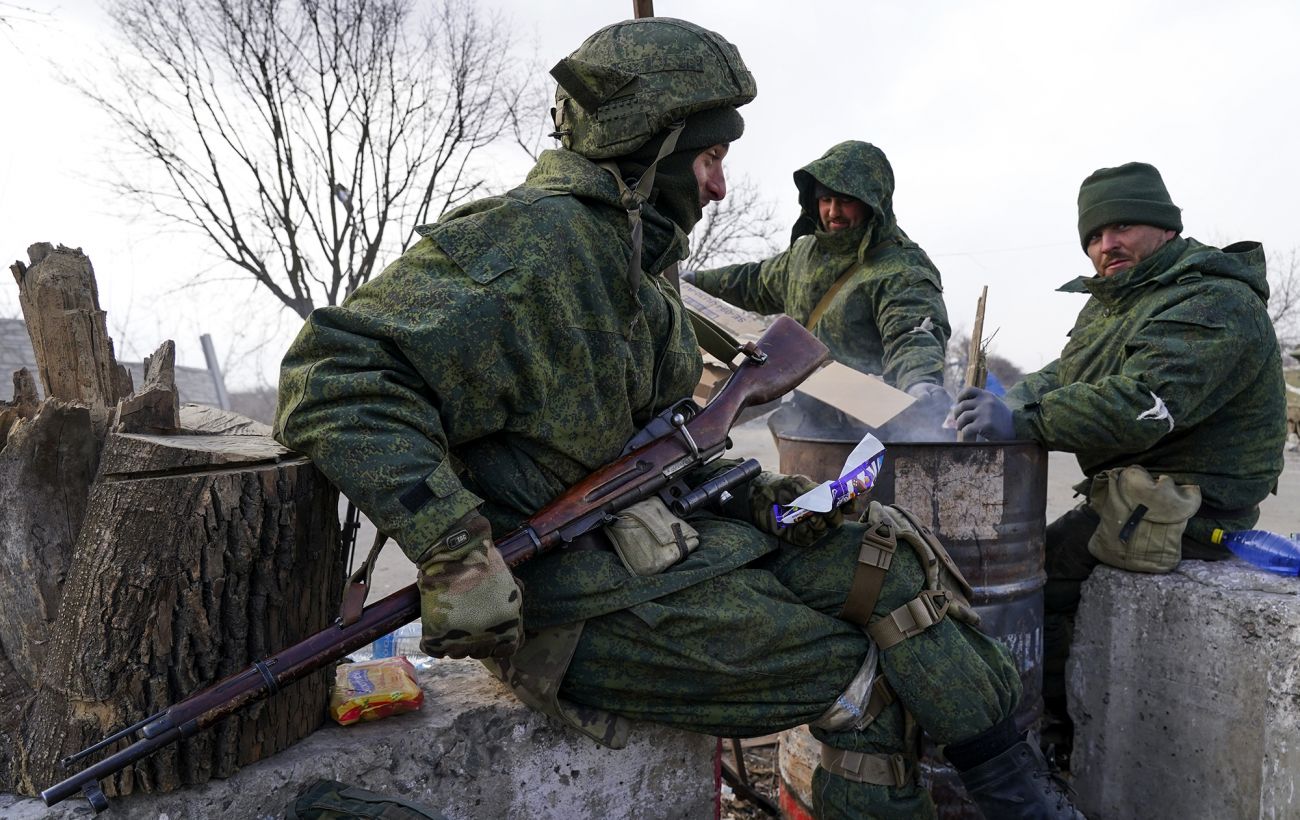
Russian army losses in 2026 reach record high for the entire war
By late November 2026, the number of Russian military casualties surpassed the total for 2024, setting a new grim record for the invading forces.
 👥Society
Dasha Astafieva searches for her pet — a rescued jackdaw named Patrick
Ukrainian artist Dasha Astafieva has appealed to the public for help in finding her pet jackdaw, which went missing several days ago.
 💡Tech
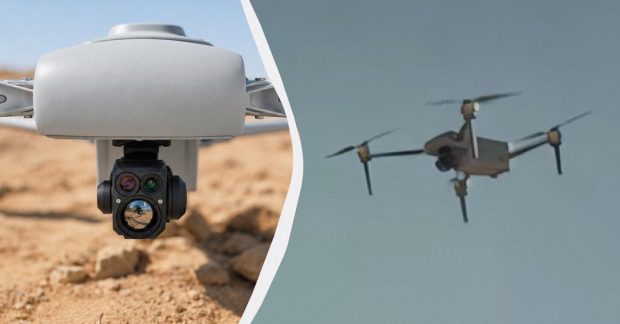
Israeli SeniX drone sets new communication range record without external antennas
Israeli company Aero Sentinel has unveiled the SeniX tactical drone, capable of covering 32 kilometers total without the need for bulky ground antennas.
 🎭Culture & Sport
Documentary about Ukrainian National Guardsmen wins Emmy Award
The film '24 Hours in the Kill Zone' has received a prestigious international award in the News category. The documentary highlights the heroism of National Guard soldier…
 👥Society
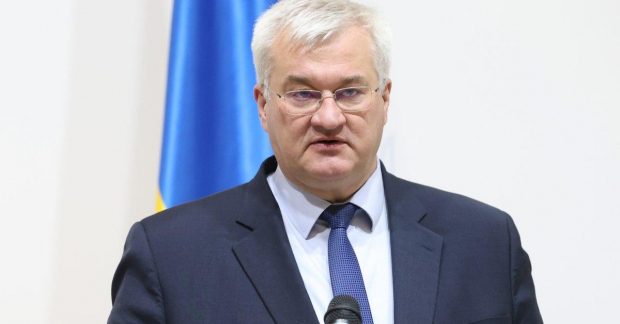
Ukrainian MFA strongly protests appointment of sanctioned Russian official to IAEA leadership
Foreign Minister Andrii Sybiha criticized plans to appoint sanctioned Russian official Oleksii Ferapontov as IAEA Deputy Director General.
 🏙️City
Kremlin Expresses Skepticism Over European Involvement in Peace Talks
Moscow questions the added value of European participation in negotiations regarding the war in Ukraine, while the date for future talks remains undetermined.